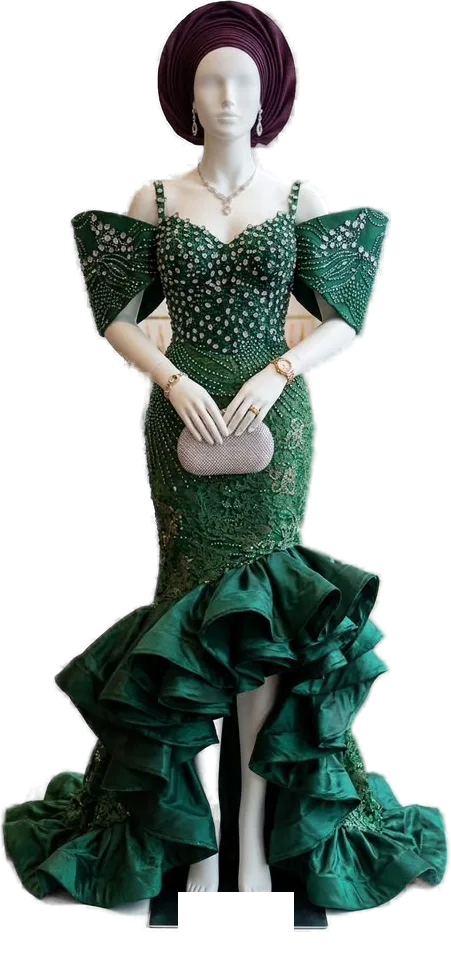



If you ever need proof that fashion is serious business, just step into Balogun Market in Lagos on a weekday. Fabrics from across the continent, tailors threading needles at speed, delivery riders weaving between stalls — it's a living, breathing economy worth billions of naira.
Nigeria's fashion industry is one of the fastest-growing sectors on the continent, and for good reason. Nigerians have a deep cultural relationship with personal style. From owambe parties to corporate corridors, how you dress matters. And that cultural reality creates constant, consistent demand for skilled tailors and designers.
The Names That Put Nigerian Fashion on the Map
Designers like Lisa Folawiyo and Mai Atafo didn't just build successful businesses — they built international reputations. They showed the world that African fashion isn't just vibrant; it's world-class. And behind them, thousands of smaller designers and tailors carry that tradition forward in neighbourhoods across the country.
Social media has amplified this growth significantly. A skilled tailor in Ibadan can showcase their work to potential clients in Abuja, London, and Houston in the same afternoon. Traditional textiles like Ankara and adire have found global audiences. The runway and the market stall are closer together than they've ever been.
The Challenges That Hold the Industry Back
Despite the opportunities, fashion businesses in Nigeria face real structural challenges. Electricity infrastructure remains inconsistent, disrupting production. Fabric sourcing can be unreliable, with quality and pricing varying widely. Competition is intense in every major city.
But the most damaging challenge is often the most invisible: deadline management. Many tailors lose clients not because of poor craftsmanship, but because of disorganized operations. Orders forgotten. Measurements misplaced. Payments unrecorded. These are business failures, not skill failures — and they're entirely preventable.
The Tools That Separate Growing Businesses from Struggling Ones
The tailors and designers who are thriving are the ones who treat their craft as a business. They track every order. They save every measurement. They send invoices and follow up on payments. They use tools like HauteApp to automate the administrative work that used to consume their evenings.
Nigeria's fashion industry is poised for even greater growth — driven by e-commerce expansion, technology adoption, and rising demand for local brands. The businesses that will lead that growth are the ones building strong operational foundations today.